Bootleggers, Barrels, and the American West
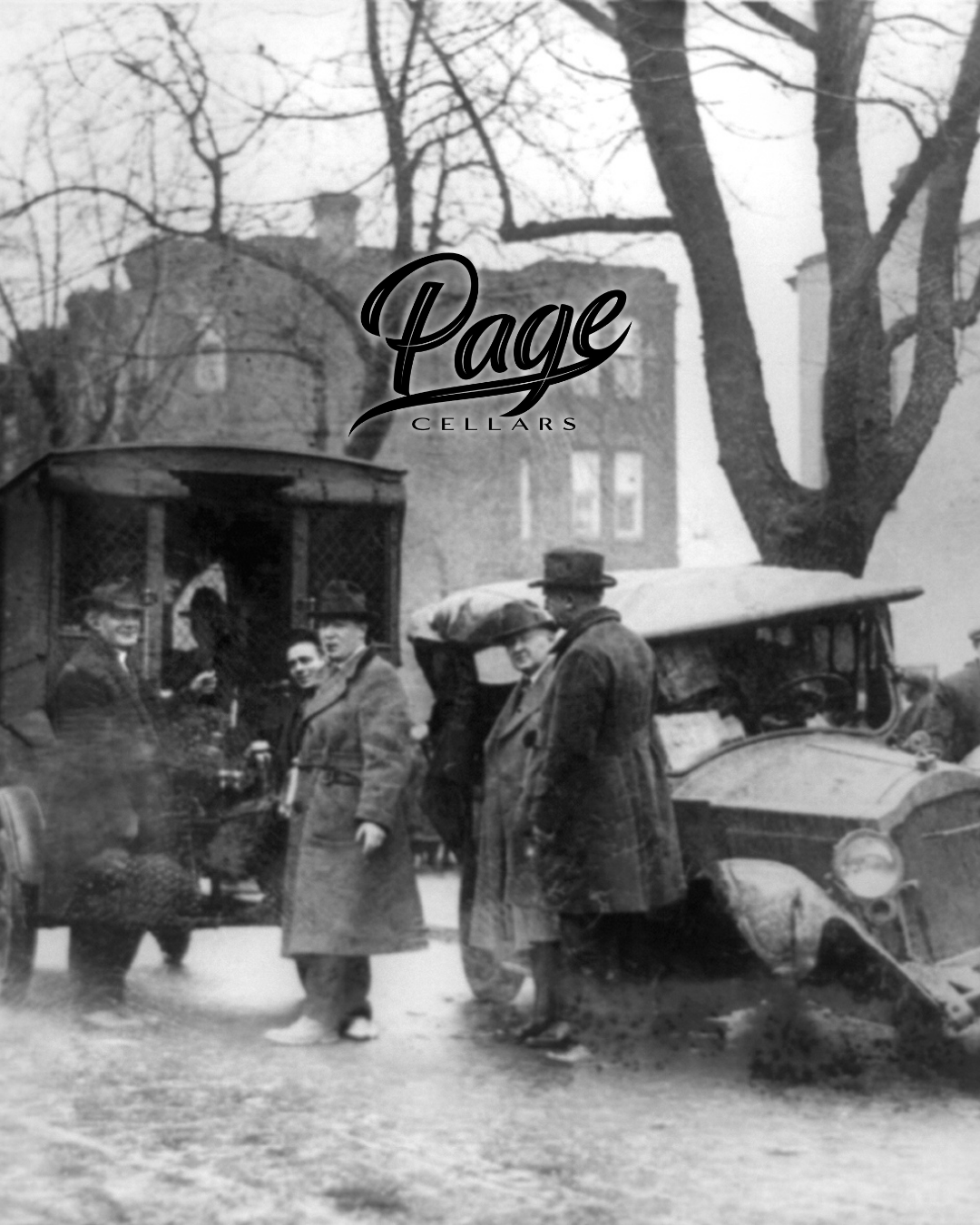
Ever wondered how outlaws, backroads, and a little rule-breaking helped shape American drinking culture (and quietly kept wine alive) — we’re sharing the story, from the American West to Prohibition-era ingenuity, it’s a history worth sneaking a peek at.
January 17th marks National Bootlegger’s Day, a date that commemorates one of the most colorful—and rebellious—chapters in American history. While bootlegging is often associated with smoky speakeasies, gangsters, and rye whiskey, its roots stretch far beyond the cities and deep into the rugged landscapes of the American West. And yes—wine has its own fascinating place in this story.
As a winery grounded in history, craft, and a pioneering spirit, Page Cellars raises a glass to the bootleggers who helped shape how Americans drink today.
What Is a Bootlegger, Anyway?
The term bootlegger dates back to the early 1800s, when traders in the Midwest reportedly hid flasks of liquor in the tops of their boots while trading with Native Americans. The word became permanently etched into American vocabulary with the passage of the 18th Amendment in 1920, which banned the manufacture, sale, and transportation of alcohol nationwide.
Prohibition aimed to create a more moral society. Instead, it sparked ingenuity, defiance, and a massive underground economy fueled by thirsty Americans unwilling to give up their drinks.
The American West: Perfect Territory for Bootlegging
While Chicago and New York dominate Prohibition lore, the American West played a crucial role in bootlegging, largely because of its geography. Vast open spaces, mountains, deserts, and rural farmland made enforcement difficult and secrecy easier.
Remote ranches and barns doubled as makeshift distilleries
Back roads and desert routes became smuggling corridors
Small towns often turned a blind eye, relying on bootlegging income
Moonshiners, rum-runners, and bootleggers flourished in these isolated areas, producing and transporting everything from whiskey and gin to beer—and wine.
Wine’s Quiet Survival During Prohibition
Unlike distilled spirits, wine had a unique loophole during Prohibition.
Federal law allowed households to produce up to 200 gallons of non-intoxicating fruit juice per year—a regulation that many families interpreted very generously. Grape growers in California and the West pivoted quickly, shipping grapes and grape concentrate east with thinly veiled instructions that essentially read: “Do not ferment.”
Wink wink.
As a result:
Vineyards survived by selling grapes instead of finished wine
Home winemaking surged across the country
Wine culture quietly endured while spirits went underground
Some wineries even thrived, laying the groundwork for the post-Prohibition wine renaissance. Without these adaptive growers, modern American wine—especially in the West—might look very different today.
Legends, Outlaws, and Myth
Bootlegging quickly took on mythic proportions. Organized crime syndicates arose to meet demand, with names like Al Capone, Lucky Luciano, and Bugs Moran becoming synonymous with the era. Templeton Rye, famously known as “The Good Stuff,” became Capone’s whiskey of choice and a symbol of Prohibition defiance.
While wine didn’t always get top billing in these legends, it quietly remained part of everyday life—shared at family tables, produced in basements, and passed down through generations who refused to let tradition die.
The End of the “Noble Experiment”
In 1933, the 21st Amendment repealed Prohibition, ending what many referred to as the “noble experiment.” Legal alcohol returned, but the landscape had changed forever.
Bootlegging left behind:
A lasting fascination with outlaw culture
Stronger regulations and appellation laws
A renewed appreciation for quality and craftsmanship
For winemakers, it marked a rebirth—one that allowed innovation, regional identity, and artistry to flourish once again.
Raising a Glass to the Spirit of Independence
National Bootlegger’s Day isn’t about celebrating crime—it’s about honoring resourcefulness, resilience, and the enduring human desire to gather and share a drink.
At Page Cellars, we see a parallel between those early winegrowers who adapted during Prohibition and today’s independent winemakers who continue to push boundaries while respecting tradition. Wine, like history, is shaped by the people bold enough to preserve it.
So this and all future January 17ths, whether you’re watching a classic Prohibition-era film, swapping bootlegger stories, or simply enjoying a glass of your favorite Page Cellars wine, take a moment to toast the rebels who helped shape America’s drinking culture—one hidden bottle at a time.
Cheers to history, resilience, and the enduring spirit of the American West. 🍷
BOOTLEGGERS TRIVIA and FAQS
Q. How was January 17th chosen as the date to celebrate National Bootlegger’s Day?
A. It is not only the birthday of Templeton Rye, but it is also the birthday of Al Capone and the original Bootlegger's son, Meryl Kerkhoff.
Q. How old was Al Capone when he went to prison?
A. Al Capone was 33 years old when he went to prison for tax evasion and prohibition charges. He was sentenced to 11 years and served his time at Alcatraz. He was released after seven years.
Q. What is bathtub gin?
A. During the Prohibition Era, people steeped grain alcohol in large tubs (sometimes a bathtub) to get around the 18th Amendment, which expressly prohibited the manufacture, distribution, and sale of distilled alcohol.
Q. Does bootlegging apply only to alcohol?
A. No. Bootlegging is the illegal manufacture, distribution, or sale of goods. It can apply to counterfeit products such as designer brands, electronics, cosmetics, and other products such as food, pharmaceuticals, movies, concerts, and music recordings.
Q. What are other words for bootlegging?
A. Counterfeiting and pirating are types of bootlegging.